The best wireless headphones depend on whether you prioritize open-ear awareness, noise reduction, long battery life, or clear calls. These picks span workout earbuds, over-ear listening, gaming, and work headsets, so match the fit and features to where you will use them.
Quick Top Products
JLab JBuds Lux ANC
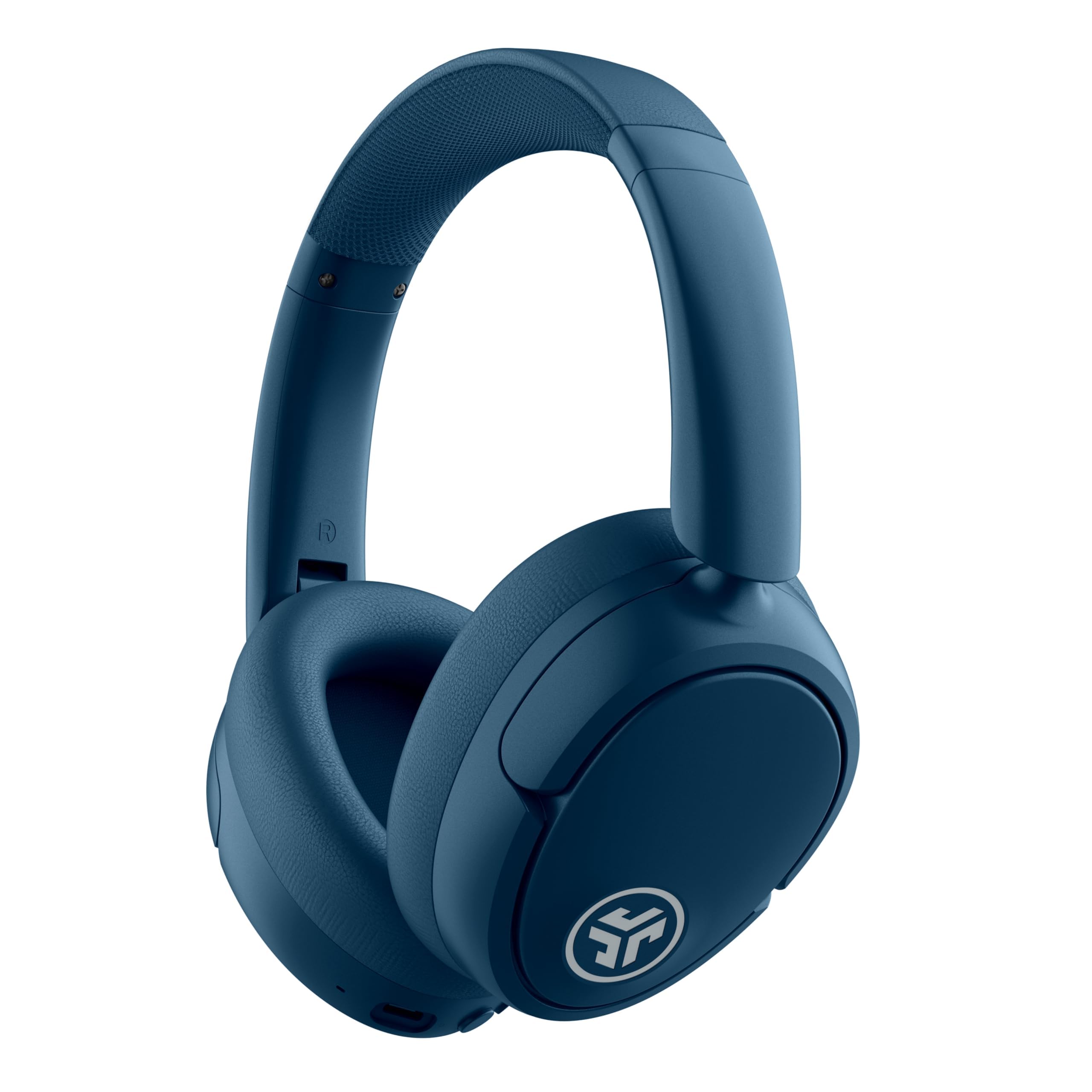
- Hybrid ANC blocks up to 35 dB, with an aware mode for letting in outside sound.
- Over 70 hours total playtime, or over 40 hours with ANC enabled.
- Connects to two devices through Bluetooth multipoint.
Best For: Listeners who want over-ear comfort, adjustable noise control, and long battery life for travel or desk use.

SHOKZ OpenFit 2
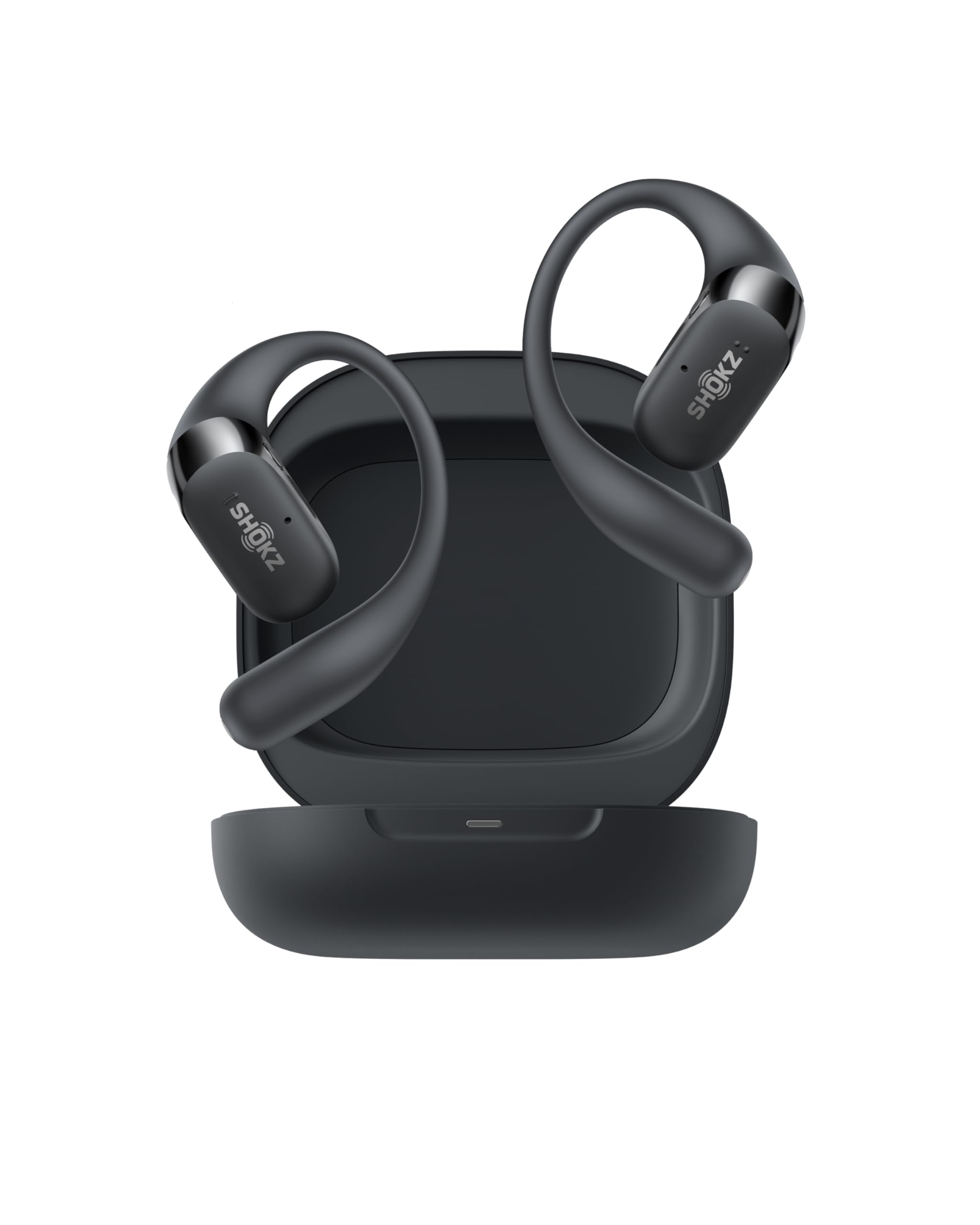
- Open-ear earhooks leave the ear canal unobstructed.
- Up to 11 hours per charge and up to 48 hours with the case.
- Physical controls and multipoint pairing support everyday use.
Best For: People who want open-ear awareness, physical controls, and long battery life for daily use or exercise.
SHOKZ OpenRun Pro 2
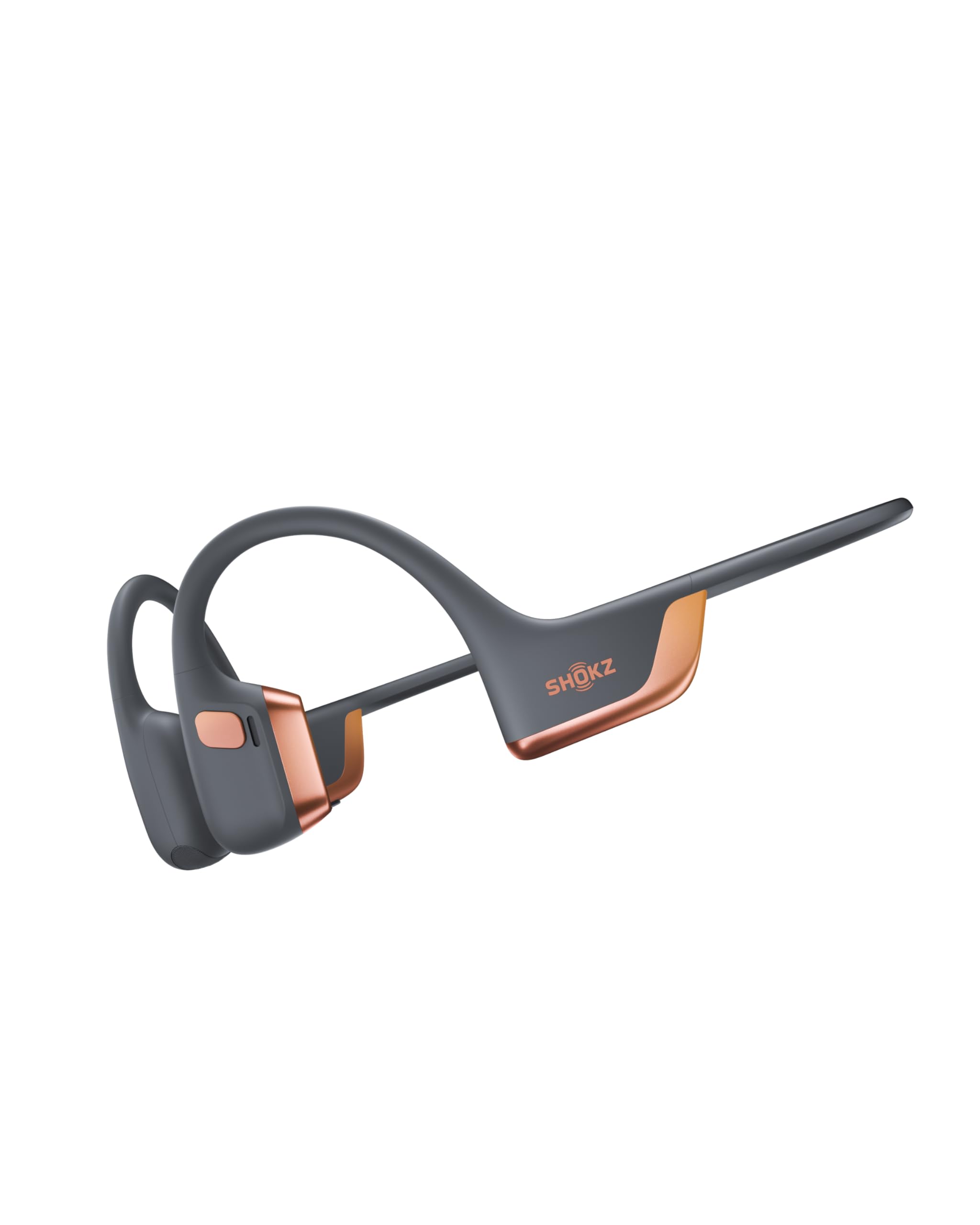
- Combines bone-conduction and air-conduction drivers.
- Provides up to 12 hours of audio with app-based EQ modes.
- Open-ear fit and dual microphones support movement and calls.
Best For: Runners and workout listeners who want open-ear awareness, long battery life, and adjustable EQ modes.
SHOKZ OpenFit Pro
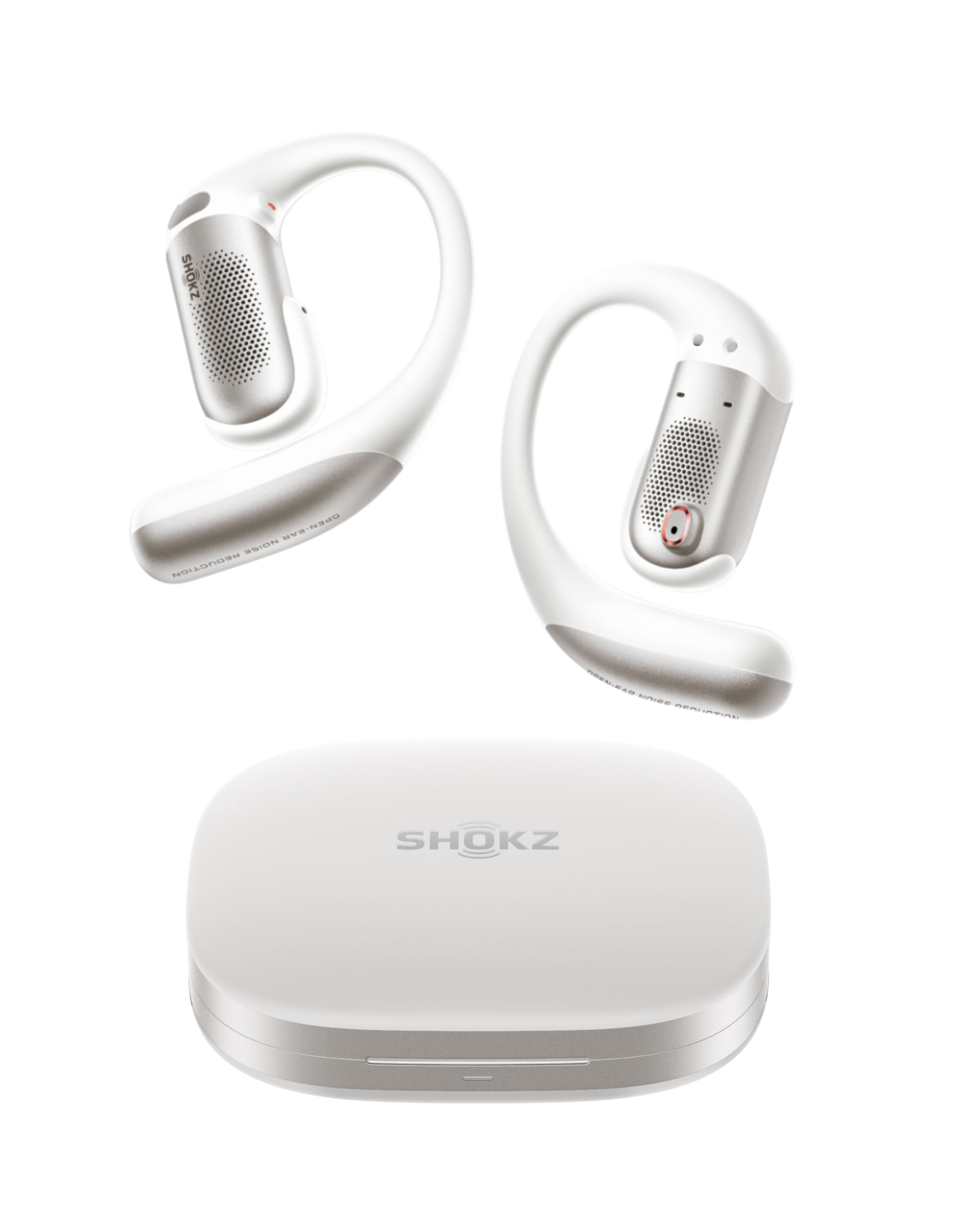
- Open-ear noise reduction can be adjusted for different listening situations.
- Supports Dolby Atmos with head tracking and app EQ settings.
- Up to 50 hours total playtime; up to 6 hours per charge with noise reduction on.
Best For: Listeners who want open-ear comfort with adjustable noise reduction for work, cafes, or workouts.
SHOKZ OpenDots 2
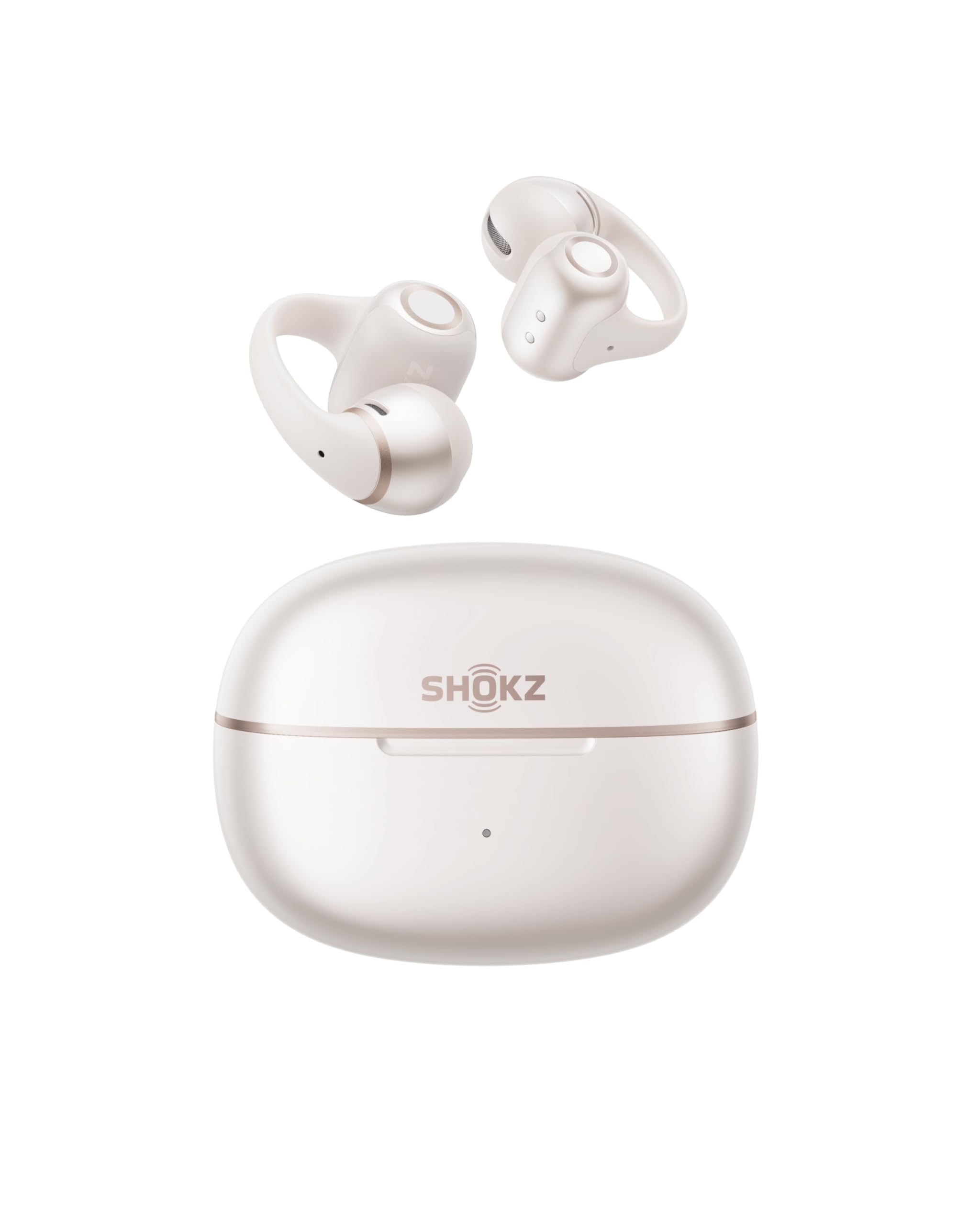
- Clip-on open-ear design with interchangeable left and right earbuds.
- Up to 10 hours per charge and up to 40 hours with the case.
- IP57 water resistance, multipoint pairing, and Qi wireless charging.
Best For: Listeners who prefer clip-on open-ear earbuds with physical controls and wireless charging.
JLab Flex Open Earbuds
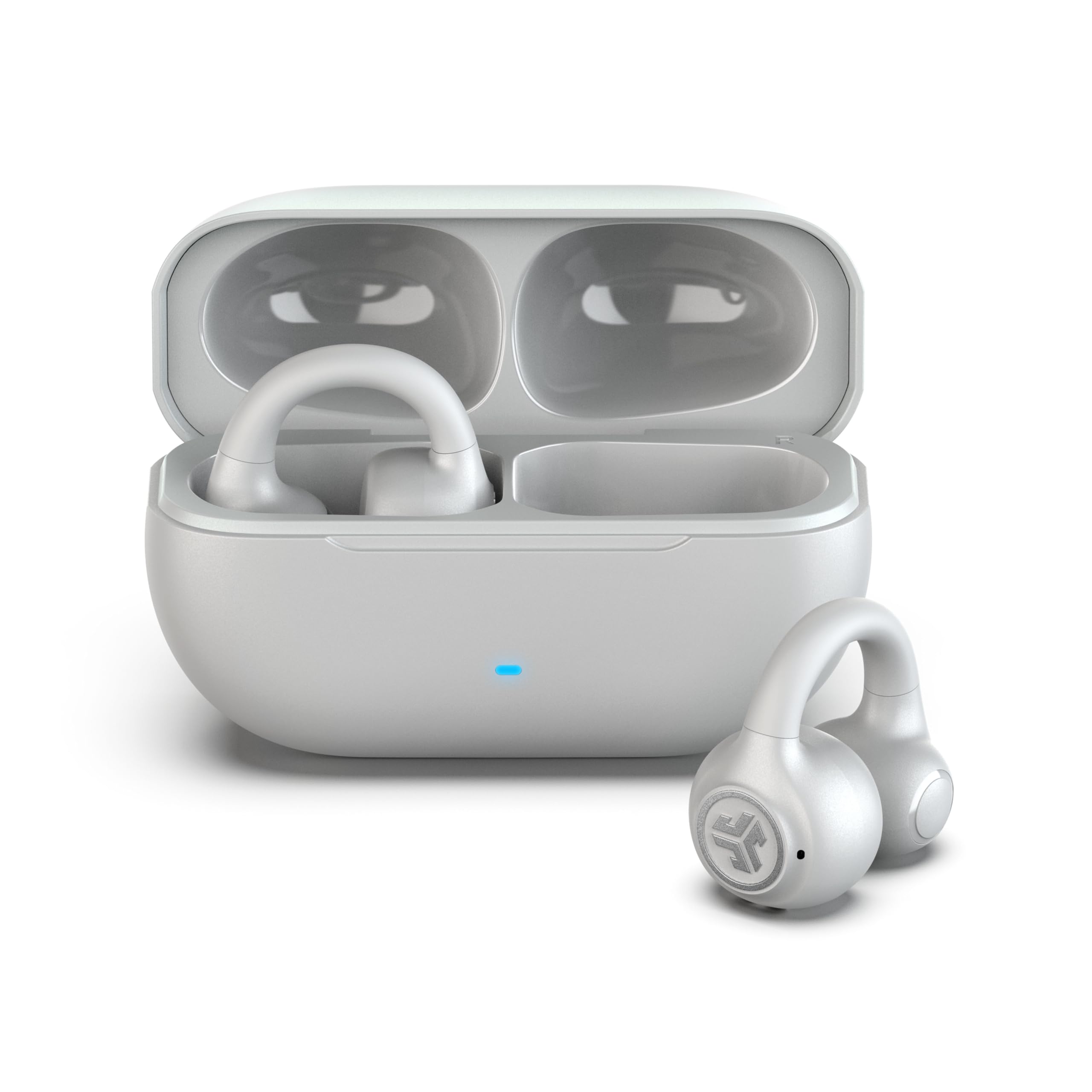
- Clip-on cuff design with 12 mm open-ear speakers.
- Over seven hours per earbud and over 21 hours total with the case.
- IPX4 resistance, multipoint, and app-based EQ customization.
Best For: Commuters and workout listeners seeking open-ear earbuds with multipoint pairing at a lower feature tier.
SHOKZ OpenSwim Pro
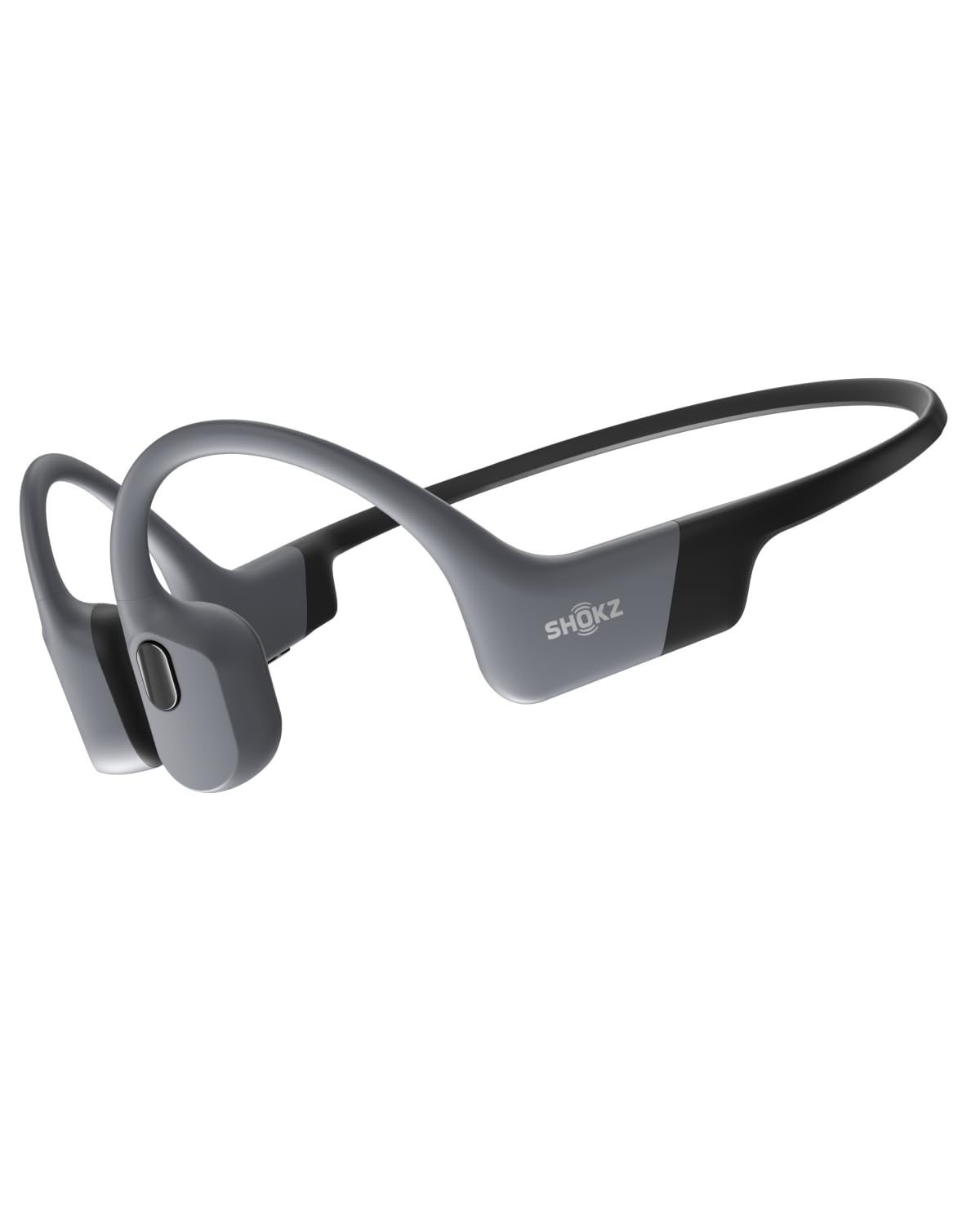
- IP68-rated design supports submersion up to two meters for two hours.
- MP3 mode stores up to 8,000 songs for underwater playback.
- Bluetooth streaming works on land; it does not work underwater.
Best For: Swimmers who want waterproof bone-conduction headphones with stored MP3 playback.
SHOKZ OpenComm2
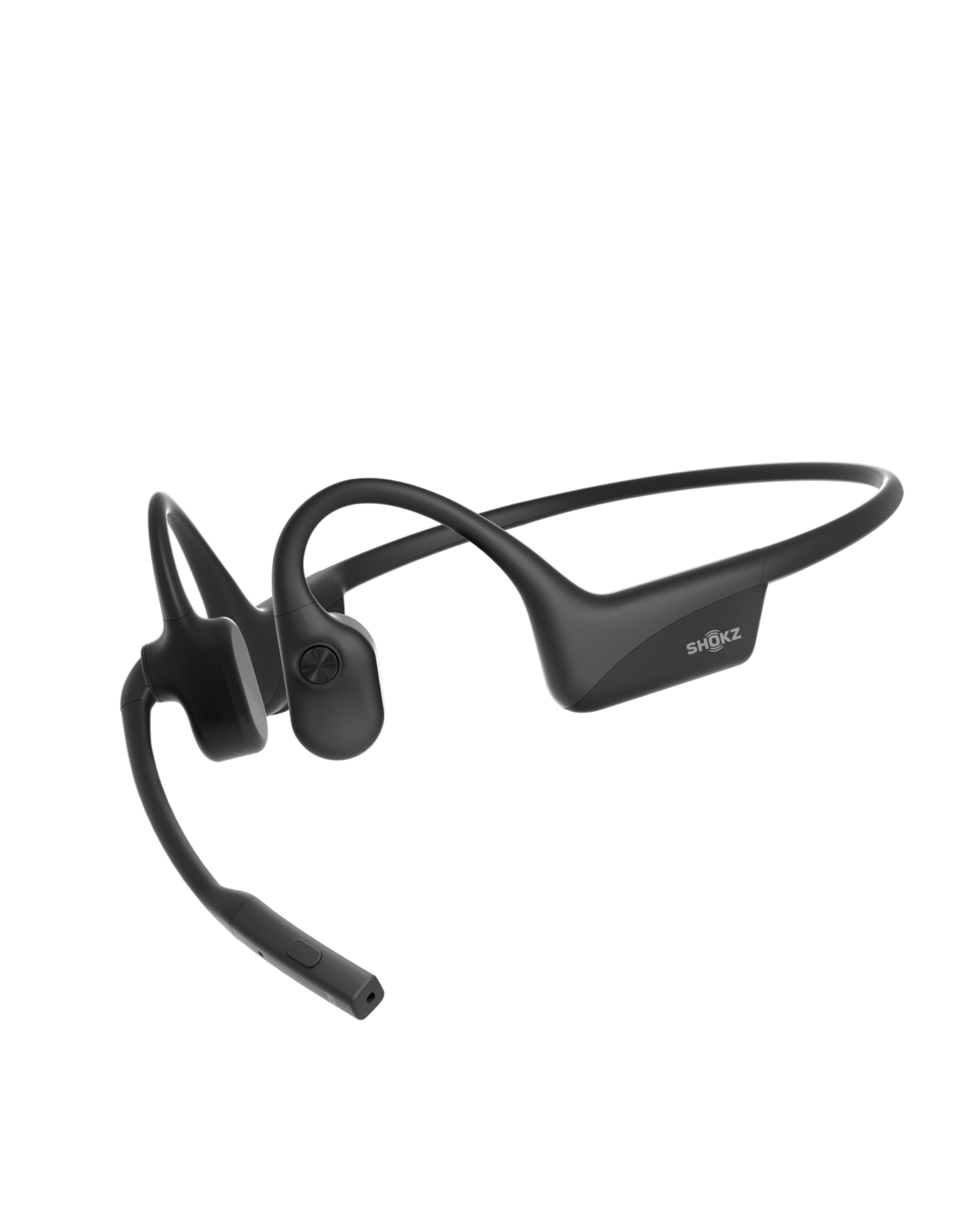
- Noise-cancelling boom microphone and physical mute control support calls.
- Pairs with two devices and can switch between them.
- Up to 16 hours talk time or eight hours listening per charge.
Best For: People who take frequent calls and want an open-ear wireless headset with a boom microphone and mute control.
Noise Reduction for Long Trips
JLab JBuds Lux ANC, Over Ear Headphones, Active Noise Cancelling, Bluetooth, Limited Edition Navy
The JLab JBuds Lux ANC combines over-ear Cloud Foam cushioning with hybrid active noise cancellation and an aware mode that lets in surrounding sound. Its stated playtime is over 70 hours total, or over 40 hours with ANC enabled, which can suit long trips and regular workdays between charges.
Bluetooth multipoint connects two devices at once, and the JLab app provides EQ, ANC, and control adjustments. The headphones also support spatial audio formats including Dolby Atmos, Tempest 3D, and Windows Sonic.
They are not presented with a water-resistance rating, so consider another pair for sweaty workouts or wet conditions.
Best For: Listeners who want over-ear comfort, adjustable noise control, and long battery life for travel or desk use.
| Pros | Cons |
|---|---|
|
|
Pick the JBuds Lux ANC if you want over-ear noise reduction for travel or a desk and value long stated battery life. The aware mode gives you a way to let outside sound in without removing the headphones, while multipoint helps when a phone and laptop are both in use.
Their lack of a specified water-resistance rating makes them a less suitable match for workouts in rain or heavy sweat. Check whether the over-ear fit and app-based adjustments suit your routine.
Open-Ear Earbuds With the Longest Stated Runtime
SHOKZ OpenFit 2 Open-Ear Headphones,True Wireless Bluetooth Earphones with Microphone,Earhook Earbuds with 48 Hours of Playtime,Fast Charging,IP55 Water-Resistant,with Carrying Bag,Black,Bluetooth5.4
The SHOKZ OpenFit 2 uses open-ear air-conduction earbuds with lightweight earhooks, leaving the ear canal unobstructed while keeping the earbuds in place. Each charge provides up to 11 hours, with up to 48 hours total using the charging case.
Its IP55 rating is suited to sweat and water exposure within that rating, and physical buttons handle volume, playback, calls, and switching between two paired devices. Dual noise-cancelling microphones support calls, while the Shokz app provides EQ and control customization.
This is a practical fit for listeners who prefer an earhook over an in-ear tip and want open-ear listening throughout a long day.
Best For: People who want open-ear awareness, physical controls, and long battery life for daily use or exercise.
| Pros | Cons |
|---|---|
|
|
Choose the OpenFit 2 when you want open-ear earbuds but also need long listening time, physical controls, and multipoint pairing. Its up-to-11-hour single-charge figure stands out among the open-ear picks here, while IP55 resistance adds a documented option for sweaty activity.
The tradeoff is that an open design keeps you connected to your surroundings, so it will not isolate sound like the ANC over-ear choices. Compare its earhook fit with clip-on designs if you dislike a band around the ear.
Bone and Air Conduction Audio
SHOKZ New OpenRun Pro 2-Bone Conduction Headphones,Open-Ear Bluetooth Wireless Sport Earphones for Running,Workouts-Sweat Resistant,Secure Comfortable Fit-Deep Bass,Smart Mic, Reflective Strip
The SHOKZ OpenRun Pro 2 is an open-ear wireless headphone with a distinctive combination of bone-conduction and air-conduction drivers. It provides up to 12 hours of audio and includes dedicated EQ modes through the Shokz app, including a volume boost mode for noisier settings.
Its unibody frame and earhooks use a memory-wire element for a stable fit during movement. Dual microphones with AI noise reduction support calls.
This model is aimed at workouts and daily listening where awareness matters; check the fit and controls you want, and remember that the open design does not seal out ambient sound.
Best For: Runners and workout listeners who want open-ear awareness, long battery life, and adjustable EQ modes.
| Pros | Cons |
|---|---|
|
|
The OpenRun Pro 2 suits listeners who want the awareness of an open-ear design and a different driver approach from conventional earbuds. The up-to-12-hour runtime and EQ modes give it a useful balance for longer sessions, while its secure frame is designed for exercise.
If you prefer a clip-on earbud or an earhook with no wraparound frame, compare the OpenDots or OpenFit options. Choose based on fit preference and whether app-adjustable sound modes matter to you.
Open-Ear Noise Reduction and Dolby Atmos
SHOKZ OpenFit Pro Open-Ear Earbuds with Noise Reduction, Dolby Atmos, White | Bundle with Gym Bag; Deep Bass, 50H Playtime, AI call clarity; Bluetooth 6.1; IP55 Secure all-day fit; Gym/Office/Cafe use
The SHOKZ OpenFit Pro brings noise reduction to an open-ear earbud design, while leaving the ears open to the environment. Its noise-reduction feature can be switched off, and the up-to-50-hour total playtime figure falls to up to 12 hours per charge with noise reduction off or up to 6 hours with it on.
Dolby Atmos with head tracking, app-adjustable EQ, and multipoint pairing add flexibility across listening and work. IP55 resistance, physical buttons, wear detection, and a triple-microphone call system round out the feature set.
Consider the shorter runtime with noise reduction enabled when planning long listening days.
Best For: Listeners who want open-ear comfort with adjustable noise reduction for work, cafes, or workouts.
| Pros | Cons |
|---|---|
|
|
Choose the OpenFit Pro if you specifically want to reduce distractions while keeping an open-ear fit. The key buying detail is runtime: the stated single-charge figure is up to 12 hours with noise reduction off and up to 6 with it on.
Dolby Atmos with head tracking and multipoint make it versatile for entertainment and work, while IP55 resistance supports active days. If uninterrupted listening time matters more than noise reduction, compare the OpenFit 2 or OpenDots 2.
Clip-On Earbuds With IP57 Resistance
SHOKZ OpenDots 2 Open-Ear Clip-On Earbuds with Upgraded Dolby Audio, 3-Mic Clear Calls, Rich Bass, Up to 40 Hrs of Audio, Wireless Charging, Interchangeable Left/Right Earbuds, IP57, Bluetooth 6.1
The SHOKZ OpenDots 2 uses lightweight clip-on earbuds with a flexible joint and contoured silicone, designed to keep the ears open while staying secured around them. The earbuds are interchangeable between left and right, and dynamic ear detection recognizes which ear is in use.
Up to 10 hours of listening per charge and up to 40 hours with the case are complemented by Qi wireless charging and quick charging. IP57 water resistance, multipoint pairing, and tap or pinch controls add practical flexibility.
These are a strong fit for people who want an open alternative to ear tips; compare the clip-on feel with earhooks before deciding.
Best For: Listeners who prefer clip-on open-ear earbuds with physical controls and wireless charging.
| Pros | Cons |
|---|---|
|
|
Pick the OpenDots 2 if you want a clip-on open-ear design with a high stated water-resistance rating, interchangeable earbuds, and wireless charging. Its case brings total listening time up to 40 hours, while multipoint helps if you switch between devices.
The clip-on shape is the main fit decision: it avoids an in-ear tip, but its feel differs from the earhook designs in this guide. Compare how each style sits on your ear before prioritizing runtime or charging convenience.
Clip-On Open-Ear Value
JLab, Flex, Open Ear Earbuds, Clip On Wireless Bluetooth Earbuds, Open Ear Headphones, Cloud White
The JLab Flex uses a clip-on cuff that wraps around the outer ear, keeping its 12 mm speakers outside the ear canal. That open-air arrangement preserves awareness of nearby sounds, and the earbuds are rated IPX4 for sweat and light rain.
JLab gives them over seven hours per earbud and over 21 hours total with the case. Bluetooth multipoint and Google Fast Pair simplify pairing across supported devices, while the JLab app offers EQ and control customization.
These are a straightforward choice for everyday open-ear listening; compare their case runtime and water rating with the more feature-rich SHOKZ clip-on models.
Best For: Commuters and workout listeners seeking open-ear earbuds with multipoint pairing at a lower feature tier.
| Pros | Cons |
|---|---|
|
|
The JLab Flex is a sensible match if you want clip-on open-ear listening and multipoint without moving to the higher stated runtime of the SHOKZ clip-on options. Fast Pair is useful for Android setup, and app EQ provides some control over sound.
Its over-21-hour total playtime is more modest, and IPX4 is the stated resistance level. Compare this pair with the SHOKZ OpenDots 2 if wireless charging, longer case runtime, or a higher water-resistance rating matters.
For Swimming and Phone-Free Listening
SHOKZ OpenSwim Pro - Open-Ear Bluetooth & MP3 Bone Conduction Sport Headphones, Swimming Headphones, IP68 Waterproof, Grey
The SHOKZ OpenSwim Pro combines open-ear bone-conduction headphones with Bluetooth for land use and MP3 playback for swimming. Its IP68 rating supports submersion up to two meters for two hours, and the built-in storage can hold up to 8,000 songs for offline listening.
Bluetooth does not work underwater, so swimmers need to switch to MP3 mode before getting in the water. On land, the headphones can stream music and podcasts, and the stated battery life is up to nine hours.
This is a focused option for water workouts and phone-free sessions, rather than a general-purpose choice for everyone.
Best For: Swimmers who want waterproof bone-conduction headphones with stored MP3 playback.
| Pros | Cons |
|---|---|
|
|
Choose the OpenSwim Pro if swimming is a central use and you want stored music without taking a phone into the water. Its key tradeoff is straightforward: Bluetooth works on land, while underwater listening depends on MP3 mode and preloaded tracks.
The IP68 rating and stated submersion conditions make it the clearest water-focused option in this selection. For running or office listening without a swimming requirement, an OpenRun or OpenFit model may fit more naturally.
Open-Ear Headset for Calls
OpenComm2 2025 Upgrade - Open-Ear Bone Conduction Headphones, Wireless Bluetooth Headset with Noise Canceling Mic & Mute Button for Work Calls and Meetings, 16 Hour Talk Time for Mobile & PC - C120
The SHOKZ OpenComm2 is a work-oriented bone-conduction headset with an open-ear fit and a noise-cancelling boom microphone. Its physical buttons control volume, playback, and call mute, while multipoint pairing connects two devices and supports switching between them.
The stated runtime is up to 16 hours of talk time or eight hours of listening, with a five-minute quick charge providing up to two hours of talk time. At 35 grams and with an IP55 rating, it is designed for mobile work use.
Consider it when calls matter more than music-focused features, and check that its boom-mic style suits your meetings.
Best For: People who take frequent calls and want an open-ear wireless headset with a boom microphone and mute control.
| Pros | Cons |
|---|---|
|
|
The OpenComm2 is the most call-focused option here. Choose it if a boom microphone, mute button, and two-device switching are more useful than immersive music playback.
Its up-to-16-hour talk time exceeds its eight-hour listening figure, so match the runtime to your mix of meetings and personal audio. If you want open-ear headphones primarily for exercise or music, compare the OpenRun Pro 2 or OpenFit 2; those designs emphasize listening and movement instead.
How to Choose Wireless Headphones
How We Picked Wireless Headphones
This selection covers distinct ways to listen without a cable: over-ear headphones with ANC, open-ear sport designs, clip-on earbuds, a gaming headset, and a call-focused headset. We prioritized candidates with documented wireless connectivity and a clear use case, such as multipoint for switching between devices, an open fit for awareness, or ANC for reducing distractions.
Wired-only models and products whose central purpose was not general wireless listening were left out.
For a digital piano practice audience, device switching and listening fit can matter as much as portability. Check how your piano sends audio before choosing: Bluetooth headphone support varies by instrument, and the product facts here do not establish compatibility with any particular piano.
A wireless headset can also introduce latency with a digital instrument, so confirm the connection method and timing needs in your piano's documentation.
Comparing Wireless Headphones for Different Uses
Over-ear models such as the JLab JBuds Lux ANC and TREBLAB Z2 suit listeners who prefer cushioned earcups and want noise control. The Z2 adds AUX backup, while the JBuds Lux has app-based adjustments and longer stated total runtime.
The SteelSeries headset is more specialized, with a base station, system switching, and hot-swappable batteries for gaming.
Open-ear choices vary by fit and purpose. The OpenRun Pro 2 uses a wraparound frame and combines bone and air conduction; the OpenFit 2 and OpenFit Pro use earhooks.
The OpenDots 2 and JLab Flex clip around the ear instead. The OpenSwim Pro is the water-specific choice, with stored MP3 audio because Bluetooth does not function underwater.
For calls, the OpenComm2 adds a boom microphone and mute button.
| Product | Standout features | Best for |
|---|---|---|
| JLab JBuds Lux ANCCheck Price |
| Listeners who want over-ear comfort, adjustable noise control, and long battery life for travel or desk use. |
| SHOKZ OpenFit 2Check Price |
| People who want open-ear awareness, physical controls, and long battery life for daily use or exercise. |
| SHOKZ OpenRun Pro 2Check Price |
| Runners and workout listeners who want open-ear awareness, long battery life, and adjustable EQ modes. |
| SHOKZ OpenFit ProCheck Price |
| Listeners who want open-ear comfort with adjustable noise reduction for work, cafes, or workouts. |
| SHOKZ OpenDots 2Check Price |
| Listeners who prefer clip-on open-ear earbuds with physical controls and wireless charging. |
| JLab Flex Open EarbudsCheck Price |
| Commuters and workout listeners seeking open-ear earbuds with multipoint pairing at a lower feature tier. |
| SHOKZ OpenSwim ProCheck Price |
| Swimmers who want waterproof bone-conduction headphones with stored MP3 playback. |
| SHOKZ OpenComm2Check Price |
| People who take frequent calls and want an open-ear wireless headset with a boom microphone and mute control. |
Choosing Open-Ear Headphones for Practice Breaks
An open-ear design can let you hear household sounds while listening, which may be useful between piano practice sessions or when you need to stay aware of a shared room. Open-ear headphones do not automatically make a good choice for every instrument setup.
If you plan to play along with audio, investigate the piano's audio outputs, supported wireless codecs if applicable, and expected delay before purchase. None of the candidate records confirms piano compatibility or latency performance.
For a workout, compare water-resistance ratings and fit style. IP55 and IP57 products have different ratings and should not be treated as interchangeable with IPX4.
The OpenSwim Pro is the only selection built around underwater MP3 playback; its Bluetooth connection is for land use. For long sessions away from a charger, compare per-charge runtime separately from total runtime with the case.
Which Wireless Headphones Fit Your Routine?
Choose an over-ear ANC model if reducing distractions and covering your ears are priorities. Pick an open-ear model when you want to hear more of your surroundings, then choose between a wraparound band, earhooks, and clip-on cuffs based on comfort and stability.
Frequent callers may prefer the OpenComm2's boom mic and mute control, while the SteelSeries headset is designed around gaming systems and mixed audio.
Battery figures are not directly interchangeable: some refer to playback on one charge, others include the charging case, and ANC can change the runtime. Check the figure that matches your listening pattern.
Before buying for piano practice, verify direct compatibility and latency requirements with the instrument manufacturer; the headphone features alone cannot establish either.
Who Should Buy Which Wireless Headphones?
For workouts with open-ear awareness, compare the OpenRun Pro 2, OpenFit 2, and OpenDots 2 by frame, earhook, or clip-on fit. For swimming, the OpenSwim Pro offers MP3 playback and a stated submersion rating.
For travel or desk listening with noise control, consider the JBuds Lux ANC or TREBLAB Z2. For frequent calls, the OpenComm2 puts the microphone and mute control first.
For gaming across supported consoles and computers, the SteelSeries Arctis Nova Pro Wireless has the most specialized connection and battery setup. If digital piano practice is your main goal, first confirm the instrument's available headphone connections and acceptable audio delay.
Then choose a compatible headphone style and connection method, rather than relying on the word wireless alone.